
Blog
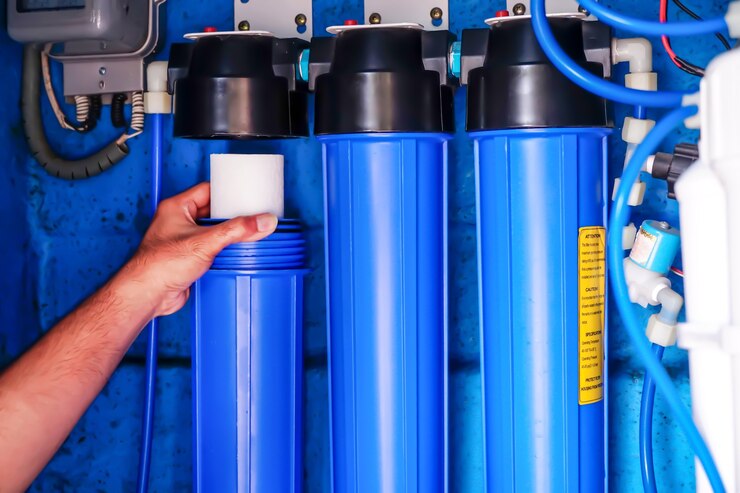
How filters work, the different types available, and where each is best applied
Clean and safe water is essential for life. Whether in our homes, offices, farms, or industrial plants, water must meet specific quality standards to be suitable for use. Yet, in many cases, raw water contains impurities such as sediment, chlorine, organic compounds, heavy metals, and microorganisms. To remove these contaminants, water filtration systems are used.
Filtration is one of the most fundamental processes in water treatment, and it serves as the backbone for other methods like disinfection, reverse osmosis, and softening. In this article, we’ll explore how water filters work, the different types of filters, and their best applications in residential, commercial, and industrial settings.
What Is Water Filtration?
At its core, water filtration is the process of physically or chemically removing impurities from water by passing it through a filter medium. The objective can be as simple as improving taste and odor for household use or as complex as preparing ultra-pure water for pharmaceuticals or electronics manufacturing.
Filtration can target a wide range of contaminants:
- Sediments – dirt, sand, rust, and suspended particles.
- Chemicals – chlorine, pesticides, industrial solvents, and volatile organic compounds (VOCs).
- Metals – lead, arsenic, and iron.
- Biological contaminants – bacteria, cysts, and algae.
The type of filter chosen depends largely on the source water quality and the intended application.
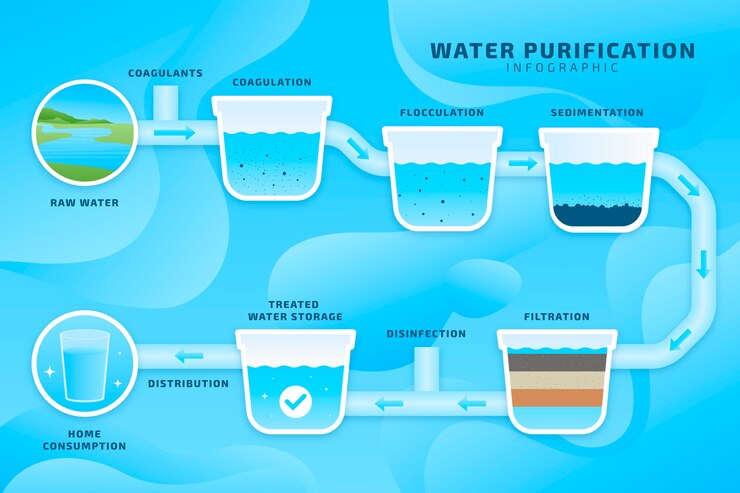
How Do Water Filters Work?
Filters function through two primary mechanisms:
- Physical Filtration (Mechanical)
- Works like a sieve, trapping particles larger than the filter’s pore size.
- Example: A 5-micron sediment filter blocks fine sand and rust.
- Works like a sieve, trapping particles larger than the filter’s pore size.
- Chemical Filtration
- Uses chemical reactions or adsorption (binding of molecules to a surface) to remove contaminants.
- Example: Activated carbon absorbs chlorine and organic compounds.
- Uses chemical reactions or adsorption (binding of molecules to a surface) to remove contaminants.
Some advanced filters combine both mechanisms, providing multi-stage protection. For instance, a reverse osmosis system uses sediment pre-filters, carbon filters, and a semipermeable membrane for maximum purification.
Common Types of Water Filters
Let’s look at the main filter types used in residential, commercial, and industrial water treatment, their structure, function, and best applications.

1. Carbon Filters
How They Work
Carbon filters use activated carbon, a highly porous material with a large surface area that attracts and traps contaminants. Through adsorption, impurities stick to the carbon surface.
What They Remove
- Chlorine and chloramines
- Organic chemicals (e.g., pesticides, herbicides)
- Volatile organic compounds (VOCs)
- Bad taste and odor
Applications
- Residential: Whole-house filters, under-sink filters, refrigerator water systems.
- Commercial: Food and beverage industries (improving taste and odor).
- Industrial: Pre-treatment for reverse osmosis systems, ensuring membranes are not damaged by chlorine.
Advantages
- Improves taste and odor dramatically.
- Effective against chlorine and chemicals.
- Easy to maintain and replace.
Limitations
- Not suitable for removing dissolved minerals or salts.
Requires replacement when saturation occurs.
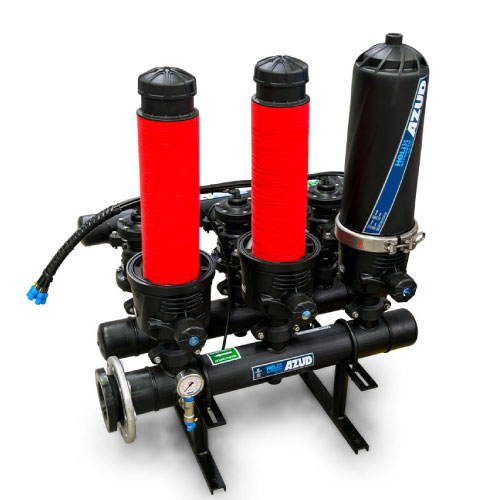
2. Disc Filters
How They Work
Disc filters consist of a stack of grooved plastic discs compressed together in a housing. When water flows through, particles are trapped in the tiny grooves. They are highly effective in filtering sediment and organic matter.
What They Remove
- Sediment (sand, silt, clay)
- Organic debris (algae, plant matter)
Applications
- Agriculture: Irrigation systems, preventing nozzle clogging.
- Municipal: Protecting water supply pipelines.
- Industrial: Cooling systems, wastewater pre-treatment.
Advantages
- Durable and washable (reusable).
- Handles high flow rates.
- Cost-effective for large-scale applications.
Limitations
- Primarily mechanical — doesn’t remove chemicals or bacteria.
Requires periodic cleaning, especially in dirty water sources.

3. Bag Filters
How They Work
Bag filters are fabric bags inside a filter housing. Water passes through the bag, and impurities are trapped inside. They’re often used where large volumes of water need filtration.
What They Remove
- Sediment
- Sand and rust
- Large particles and debris
Applications
- Industrial: Cooling towers, paint and coatings, chemical manufacturing.
- Commercial: Swimming pools, large-scale beverage production.
- Residential: Pre-filtration in rainwater harvesting systems.
Advantages
- Can handle high flow rates.
- Low replacement cost.
- Easy to change.
Limitations
- Limited lifespan if water is very dirty.
Not effective for fine chemicals or dissolved contaminants.
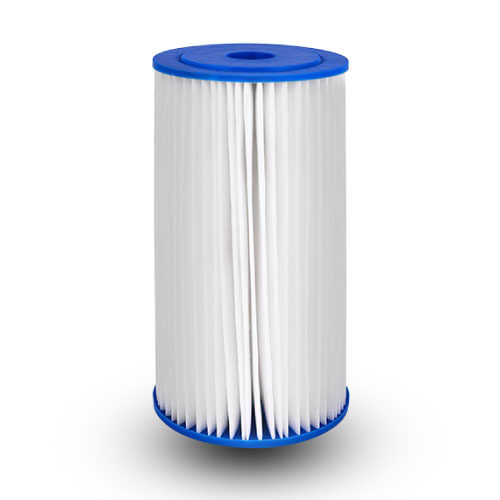
4. Sediment Filters (Cartridge Filters)
How They Work
Made from pleated paper, polypropylene, or string-wound fibers, these filters catch dirt and suspended particles. They are rated by micron size — the smaller the micron rating, the finer the filtration.
What They Remove
- Sand, dirt, and rust
- Suspended solids
Applications
- Residential: First stage in household filtration systems.
- Commercial: Restaurants, hotels.
- Industrial: Pre-treatment before RO membranes and UV reactors.
Advantages
- Affordable and widely available.
- Protects downstream equipment.
Limitations
- Needs frequent replacement.
- Doesn’t remove chemicals or bacteria.
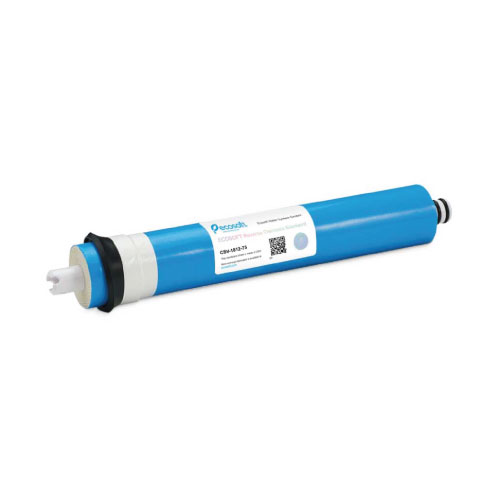
5. Membrane Filters (Reverse Osmosis)
How They Work
Reverse Osmosis (RO) uses a semipermeable membrane to remove dissolved salts, metals, and impurities. Water is forced through the membrane, leaving contaminants behind.
What They Remove
- Dissolved salts and minerals
- Heavy metals
- Bacteria and viruses
- Up to 99% of total dissolved solids (TDS)
Applications
- Residential: Drinking water purification.
- Commercial: Coffee shops, bottled water.
- Industrial: Pharmaceutical, electronics, desalination plants.
Advantages
- Extremely thorough purification.
- Improves taste and safety.
Limitations
- Produces wastewater (brine).
Requires pre-filtration and maintenance.
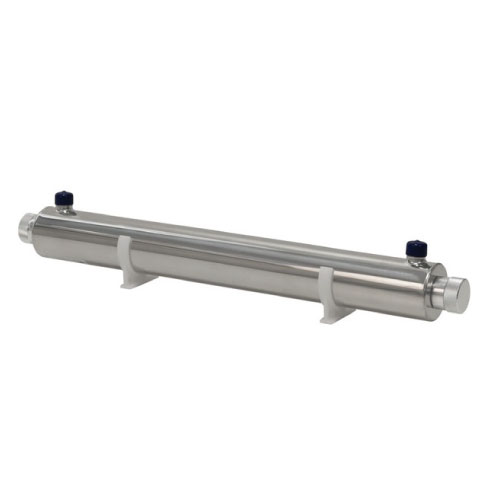
6. Ultraviolet (UV) Systems (as a companion technology)
How They Work
Though not technically a filter, UV reactors disinfect water by exposing it to UV light, which inactivates bacteria, viruses, and protozoa.
What They Remove
- Microorganisms (99.9% bacteria, viruses, cysts).
Applications
- Residential: Whole-house disinfection.
- Commercial: Clinics, schools, and hotels.
- Industrial: Food and beverage processing.
Advantages
- Chemical-free disinfection.
- Environmentally friendly.
Limitations
- Requires clear water (sediment must be filtered first).
Needs electricity and regular lamp replacement.
Choosing the Right Filter for the Job
When selecting a filter, it’s critical to consider:
- Water Source – Municipal, borehole, river, or harvested rainwater.
- Water Quality – High sediment? High chlorine? Microbiological risks?
- Application – Drinking, cooking, agriculture, or industrial use.
- Flow Rate Requirements – High-demand systems may need disc or bag filters.
Budget & Maintenance – Some filters are low-cost but need frequent replacement; others are durable but require periodic servicing.
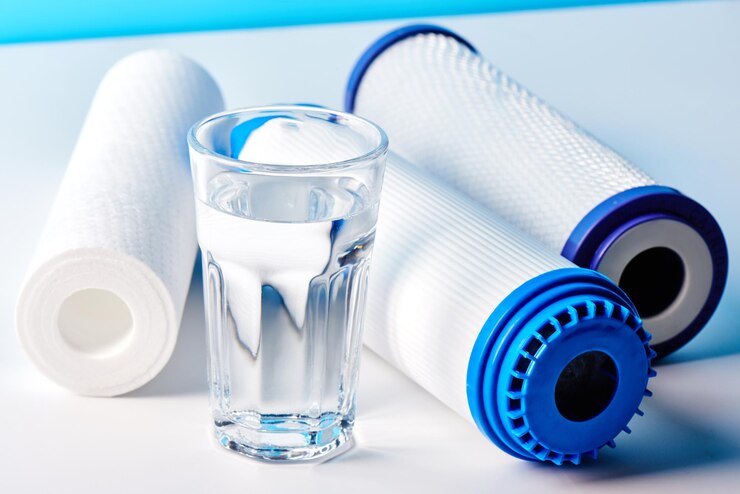
Why Filtration Is Often the First Step
Filtration is typically the first line of defense in any water treatment system. Whether preparing water for reverse osmosis, UV disinfection, or softening, filters protect downstream equipment and extend its lifespan. For example:
- A sediment filter prevents particles from damaging an RO membrane.
- A carbon filter protects UV systems from chlorine degradation.
- A disc or bag filter ensures agricultural irrigation systems don’t clog.
By combining different filters, WET Technologies delivers layered protection that meets both regulatory and customer needs.
Environmental and Social Responsibility in Filtration
Beyond technical benefits, water filtration contributes to sustainability:
- Reduces reliance on bottled water and single-use plastics.
- Ensures communities have access to safe drinking water.
- Protects natural resources by reducing chemical disinfection.
Companies like WET Technologies emphasize solutions that are environmentally responsible, socially impactful, and cost-effective.
Conclusion
Understanding the basics of water filtration is the first step in ensuring clean, safe, and sustainable water. From simple sediment filters to advanced reverse osmosis systems, every filter type has a role to play in addressing water challenges across homes, businesses, and industries.
By applying the right filter technology, you not only improve water quality but also protect health, equipment, and the environment.
At WET Technologies South Africa, our mission is to help you select the best filtration system for your needs, whether you’re running a household, a factory, or an agricultural enterprise.